

Anyone can build a playlist by adding favorite songs, but creating one that flows effortlessly from beginning to end is a different skill entirely. The secret isn’t just choosing great music—it’s knowing how to connect one song to the next. That’s why professional DJs, radio programmers, and experienced playlist curators spend so much time thinking about transitions.
A perfect transition feels almost invisible. Instead of noticing where one song ends and another begins, listeners simply enjoy the journey. Whether you’re creating a road trip soundtrack, a workout mix, or the perfect dinner playlist, mastering transitions can transform a collection of songs into a memorable listening experience.
Why Playlist Transitions Matter
Think of a playlist as a conversation. If every topic changes abruptly, the conversation feels awkward. Music works the same way.
Smooth transitions help:
- Maintain the mood
- Keep listeners engaged
- Reduce the urge to skip tracks
- Create emotional momentum
- Make playlists feel intentional rather than random
The best playlists often leave listeners wondering why everything fits together so naturally.
1. Matching BPM (Beats Per Minute)
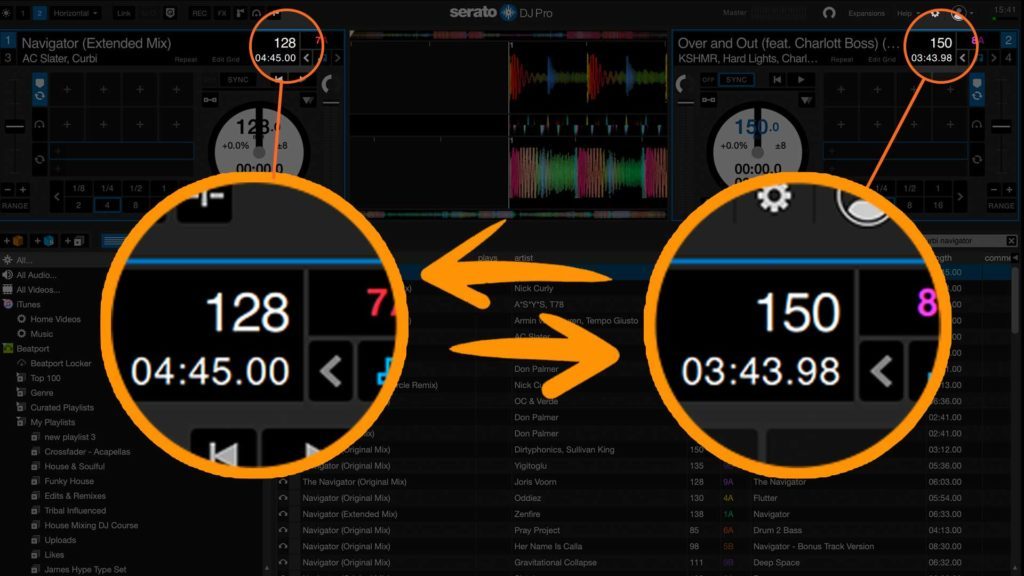
One of the oldest tricks in a DJ’s toolkit is matching the tempo of two songs.
What Is BPM?
BPM (Beats Per Minute) measures how fast a song is. Songs with similar BPM values tend to flow together because the listener doesn’t experience a sudden change in energy.
For example:
- A song at 118 BPM naturally blends into one around 120 BPM.
- Moving directly from 85 BPM to 145 BPM often feels abrupt unless you’re intentionally creating contrast.
Example Transition
Imagine moving from:
- “Levitating” – Dua Lipa
- “Don’t Start Now” – Dua Lipa
Both tracks have dance-friendly tempos and similar rhythmic energy, making the transition feel almost effortless.
When to Break the Rule
Not every playlist needs identical tempos. Sometimes a gradual slowdown or build-up is exactly what’s needed.
For example:
- High-energy dance song
- Mid-tempo pop track
- Relaxed indie song
The change feels intentional because it happens progressively instead of all at once.
2. Using Compatible Keys
Tempo isn’t the only thing DJs consider. Musical key plays a huge role in creating natural transitions.
Why Key Matters
Songs written in compatible keys often sound pleasing when played back-to-back because their melodies and harmonies don’t clash.
This technique is commonly known as harmonic mixing.
Benefits include:
- Smoother transitions
- More natural emotional flow
- Reduced musical tension
- Better continuity
Even listeners without musical training often notice when songs simply “fit” together.
Example Transition
Imagine following:
- “Dreams” – Fleetwood Mac
with
- “Go Your Own Way” – Fleetwood Mac
Beyond sharing a similar musical language, their compatible tonal qualities make the transition feel cohesive.
3. Creating a Shared Atmosphere

Sometimes songs work together even if their tempos and keys differ.
Why?
Because they create the same emotional environment.
Mood Is Often More Important Than Genre
A synth-pop track can flow beautifully into an indie song if both evoke similar imagery.
Examples of shared atmospheres include:
Late-Night City Drive
- Neon-inspired synths
- Smooth electronic beats
- Reflective vocals
Rainy Afternoon
- Gentle acoustic guitars
- Soft piano
- Dreamy production
Summer Road Trip
- Bright melodies
- Warm guitars
- Optimistic energy
Listeners respond emotionally before they analyze musical details.
Example Transition
Moving from:
- “Midnight City” – M83
to
- “Nightcall” – Kavinsky
works because both songs create a cinematic, neon-lit nighttime atmosphere, even though their structures differ.
4. Building Through Lyrical Connections
Lyrics can also guide seamless transitions.
When two songs explore similar ideas, the emotional story continues naturally.
Think Like a Storyteller
Instead of asking:
“Does this song sound similar?”
Ask:
“Does this song continue the conversation?”
Common lyrical themes include:
- Love
- Heartbreak
- Hope
- Self-discovery
- Adventure
- Nostalgia
Example Transition
A reflective breakup song might lead naturally into one about healing rather than jumping immediately into an upbeat party anthem.
Another example:
- A song about chasing dreams
- Followed by one about overcoming obstacles
- Ending with a celebration of success
The playlist becomes a narrative instead of a random collection of tracks.
5. Managing Energy Levels
Professional curators rarely keep the intensity at the same level throughout an entire playlist.
Instead, they carefully control momentum.
The Energy Curve
A well-balanced playlist often looks like this:
- Gentle introduction
- Steady increase in energy
- Several peak moments
- Brief periods of recovery
- A satisfying conclusion
This keeps listeners engaged without becoming exhausting.
Too many high-energy songs in a row can actually reduce their impact.
6. Paying Attention to Song Endings
The final seconds of a song matter more than many people realize.
Fade-Out vs. Hard Stop
Songs typically end in one of several ways:
- Slow fade-outs
- Sudden endings
- Instrumental outros
- Vocal endings
- Ambient soundscapes
Matching similar endings with compatible introductions creates smoother transitions.
Example
A song with a long instrumental fade often blends naturally into another with a quiet intro.
By contrast, pairing two songs that both end and begin explosively can feel jarring unless that’s the desired effect.
7. Using Contrast Intentionally

Not every transition should be invisible.
Sometimes surprise creates excitement.
Controlled Contrast
The key is making dramatic shifts feel purposeful.
For example:
- Calm acoustic song
- Explosive rock anthem
- Atmospheric instrumental
When placed thoughtfully, these contrasts add variety without disrupting the playlist’s identity.
The difference between intentional contrast and poor sequencing is context.
Practical Tips for Better Playlist Transitions
Whether you’re curating music for yourself or others, these simple habits can dramatically improve playlist flow.
Listen Without Looking
Play the playlist while doing something else.
If a transition suddenly grabs your attention for the wrong reasons, it probably needs adjusting.
Group Songs by Feel
Instead of sorting only by genre, organize tracks according to mood.
Examples include:
- Dreamy
- Energetic
- Reflective
- Hopeful
- Cinematic
- Melancholic
This often produces more natural transitions than genre labels alone.
Rearrange Frequently
Great playlists rarely emerge on the first attempt.
Experiment with different song orders until the flow feels effortless.
Common Transition Mistakes
Avoid these pitfalls when building playlists:
- Jumping between wildly different BPMs without preparation
- Placing multiple songs by the same artist back-to-back unless intentional
- Ignoring volume differences between recordings
- Ending every song with a dramatic emotional shift
- Choosing songs based solely on popularity instead of compatibility
A playlist should prioritize the overall listening experience rather than showcasing every favorite track at once.
Final Thoughts
The best playlist transitions often go unnoticed—and that’s exactly the point. Whether you’re matching BPM, choosing songs in compatible keys, connecting tracks through a shared atmosphere, or continuing a lyrical theme, every thoughtful transition helps create a smoother, more immersive listening experience.
Professional DJs have long understood that great music is only part of the equation. The real artistry lies in how one song leads naturally into the next. By paying attention to tempo, harmony, mood, storytelling, and energy, you can build playlists that feel less like random collections of songs and more like carefully crafted journeys that listeners won’t want to interrupt.