
Some songs fade after a few weeks. Others stay with you for years—sometimes decades—without losing their impact. You can hear them hundreds of times and still feel pulled in, as if there’s always something new hiding inside them.
This isn’t just nostalgia or habit. Certain songs are built (intentionally or accidentally) with qualities that give them extraordinary replay value, emotional durability, and evolving meaning over time. Understanding why this happens reveals a lot about how we experience music itself.
Let’s break down the key reasons some songs never lose their magic.
1. Replay Value: The Loop You Don’t Want to Exit
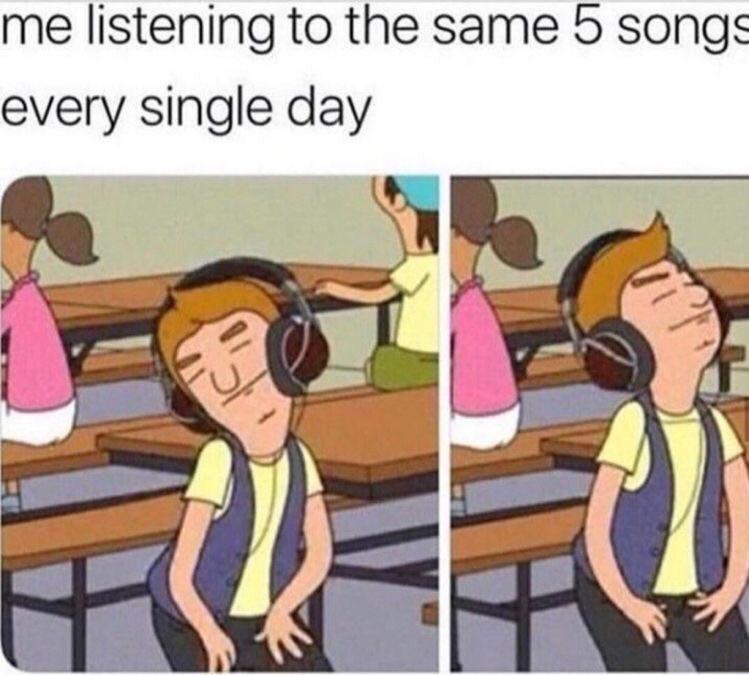
Replay value is the simplest explanation for long-lasting songs: you want to hear them again.
But what creates that desire?
The Perfect Balance of Familiar and New
Songs with high replay value usually sit between two extremes:
- Too simple → gets boring quickly
- Too complex → feels exhausting or overwhelming
The most replayable songs strike a balance where:
- The hook is instantly recognizable
- Subtle details reward repeated listening
- The structure feels satisfying but not predictable
The “One More Time” Effect
Great songs often end in a way that makes you want to restart them immediately. This can come from:
- A strong final chorus
- A fading outro that loops naturally back in your mind
- Emotional momentum that isn’t fully “resolved”
That unresolved feeling is what keeps you pressing play again.
2. Production Layers: Music That Reveals Itself Slowly
Some songs feel simple at first—but deepen the more you listen.
This is where production layering becomes crucial.
What Are Production Layers?
These are the stacked elements inside a track:
- Background harmonies
- Subtle instrumental textures
- Hidden rhythmic patterns
- Ambient effects
- Secondary melodies
At first listen, your brain focuses on the main melody and vocals. But over time, it starts picking up the details underneath.
Why Layers Increase Longevity
Songs with rich production reward attention in stages:
- First listen: main hook and mood
- Fifth listen: instrumental details emerge
- Twentieth listen: emotional depth becomes clearer
- Later listens: new interpretations form
This creates the feeling that the song is “growing” with you.
Example Experience
A song you once thought was simple might later reveal:
- A faint counter-melody in the background
- A rhythmic texture you never noticed
- A harmonic shift that changes the emotional tone
The more you listen, the more the song expands.
3. Emotional Attachment: When Music Becomes Personal

Even the simplest song can become timeless if it’s tied to a strong memory or feeling.
Music and Memory Are Linked
The brain connects music with:
- Life events
- Emotional states
- Places and environments
- People and relationships
That’s why a song from a specific moment in your life can instantly bring you back to it—even years later.
Why Emotional Context Matters More Than Complexity
A technically simple song can feel irreplaceable if it’s associated with:
- A first love
- A major life change
- A travel experience
- A period of personal growth
Once a song becomes part of your personal history, it stops being just audio—it becomes memory storage.
The “Time Capsule” Effect
Songs often act like emotional timestamps. Hearing them doesn’t just replay sound—it reactivates a version of you from the past.
That connection is incredibly hard to break.
4. Changing Interpretations Over Time
One of the most interesting reasons songs never get old is that you change, even if the song doesn’t.
The Song Stays the Same—You Don’t
A lyric or melody that once felt meaningless can suddenly feel profound years later.
Why?
Because your experiences reshape how you interpret it.
Example Shifts in Meaning
A song about heartbreak might mean:
- At first: sadness after a breakup
- Later: reflection on personal growth
- Even later: appreciation for resilience
The same track becomes a different emotional experience depending on where you are in life.
Growing Into the Song
Some songs feel like they “unlock” at different stages of life. What once felt shallow becomes deep, and what felt sad might later feel comforting.
This evolving relationship is one of the strongest drivers of long-term replay value.
5. The Role of Musical Timelessness
Beyond personal factors, some songs simply avoid trends that age poorly.
What Makes Music Feel Timeless?
- Simple but strong melodies
- Minimal reliance on short-lived production trends
- Clear emotional themes
- Balanced arrangement choices
- Strong vocal or instrumental identity
Songs that avoid overly specific “era sounds” tend to age better.
Why Trend-Heavy Songs Fade Faster
Music tied closely to a specific era often includes:
- Overused synth styles
- Viral production techniques
- Short-term genre fusions
These can feel dated once the trend passes, even if the song was popular at the time.
6. The Power of Subtle Variation
Songs that never get old often change just enough each time you hear them.
Repetition With Small Differences
Even if the track is identical every time, your attention shifts:
- You notice different instruments
- You focus on new lyrics
- You hear harmonies you missed before
- Your mood changes how you interpret it
This means the listener creates variation, not the song itself.
Attention as a Moving Spotlight
Your brain can’t process everything at once. Each listen highlights a different layer, which keeps the experience fresh.
7. Why Simplicity Sometimes Wins

Not all evergreen songs are complex.
Some of the most replayed songs in history are structurally simple.
Why Simplicity Works
Simple songs often:
- Are easier to remember
- Have stronger emotional clarity
- Allow more room for personal projection
- Don’t overwhelm the listener
This makes them highly adaptable to different moods and situations.
The “Emotional Blank Space” Effect
Simple songs leave space for your mind to fill in meaning. Over time, that meaning becomes personally customized.
8. The Comfort Factor
Some songs never get old because they become emotionally safe.
Familiarity Creates Comfort
When you know every part of a song, it stops being surprising—and becomes grounding instead.
People often return to these songs when they want:
- Stability
- Calm
- Emotional reset
- Focus or relaxation
In this sense, repetition isn’t boredom—it’s reassurance.
Final Thoughts
Songs don’t stay relevant forever because they are objectively perfect. They last because they connect to multiple layers of human experience: curiosity, memory, emotion, and change.
The most enduring tracks combine several forces at once:
- Strong replay value that invites repetition
- Production layers that reveal themselves over time
- Deep emotional connections tied to real life
- Interpretations that evolve as you do
That’s why some songs never feel finished. They don’t just exist in your playlist—they exist alongside your life, changing shape every time you return to them.